
Where Every Bottle
Finds Its Place.
A Room for Every
Collection
Each cellar begins with a conversation about the wine, the space, and the life built around both.
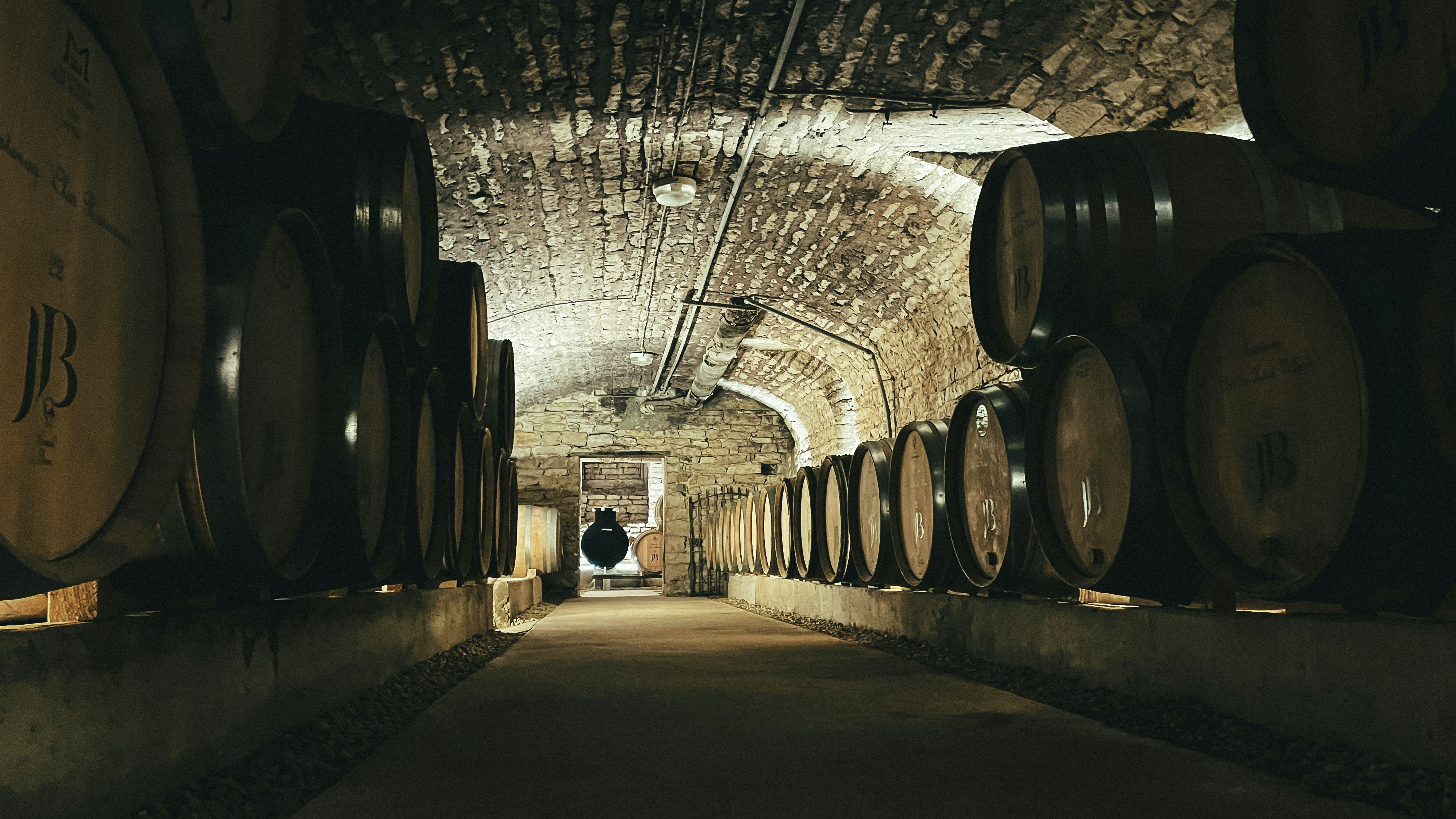
Brooklyn Brownstone Conversion
A 1920s basement stripped to its joists and rebuilt as a 400-bottle passage cellar. The walls breathe through double-layer vapor barrier and closed-cell spray foam; the racks are hand-mortised white oak, oiled twice. A WhisperKOOL split system maintains 55°F with less noise than a whisper.
Napa Valley Estate Cave
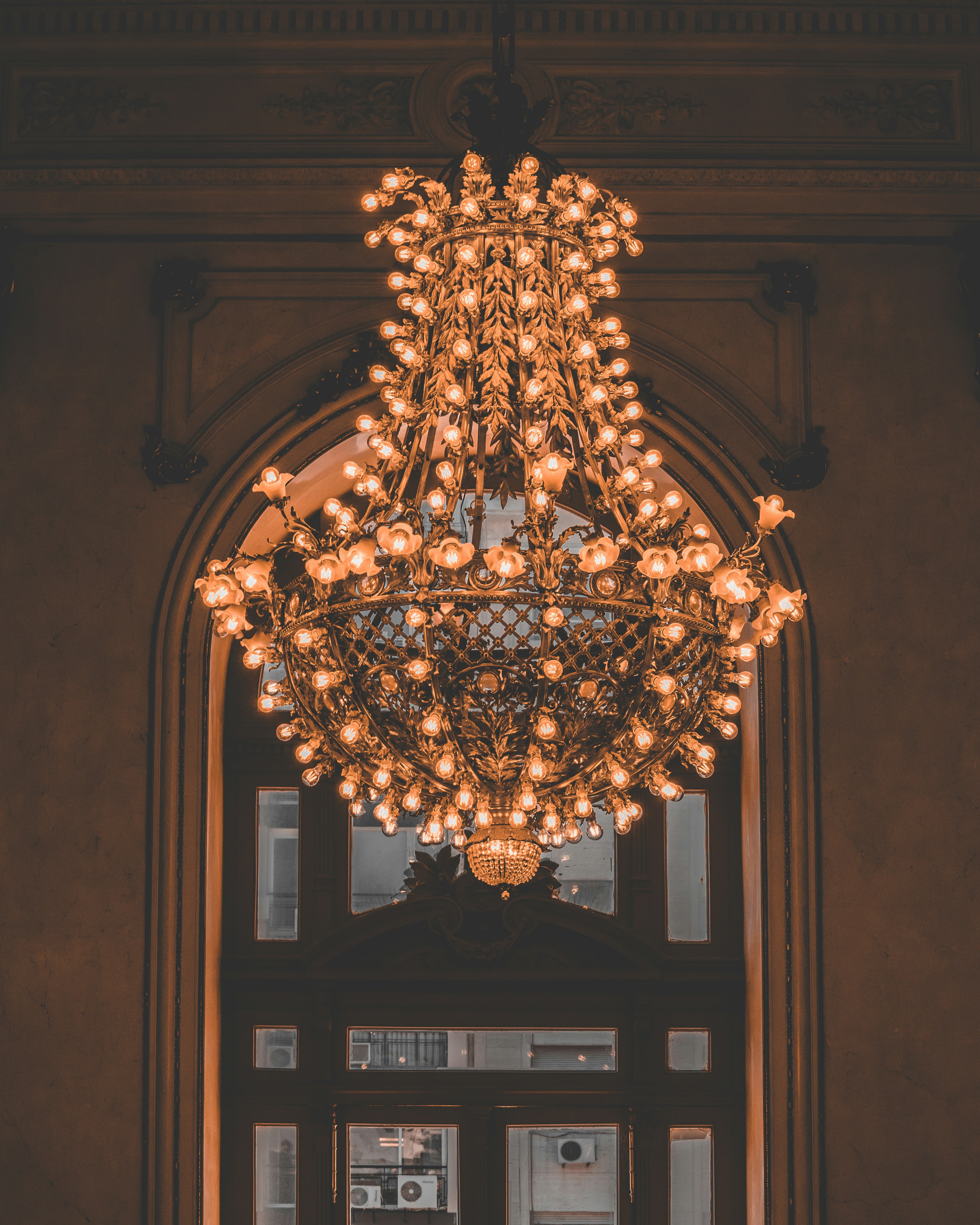
Carved into the hillside behind a 1,200-acre vineyard estate. Natural volcanic tuff maintains passive humidity; the custom iron hardware was forged by a local blacksmith. Floor-to-ceiling diamond bins for horizontally-stored Bordeaux, individual riddling racks for méthode champenoise production.
Restaurant Display Wall
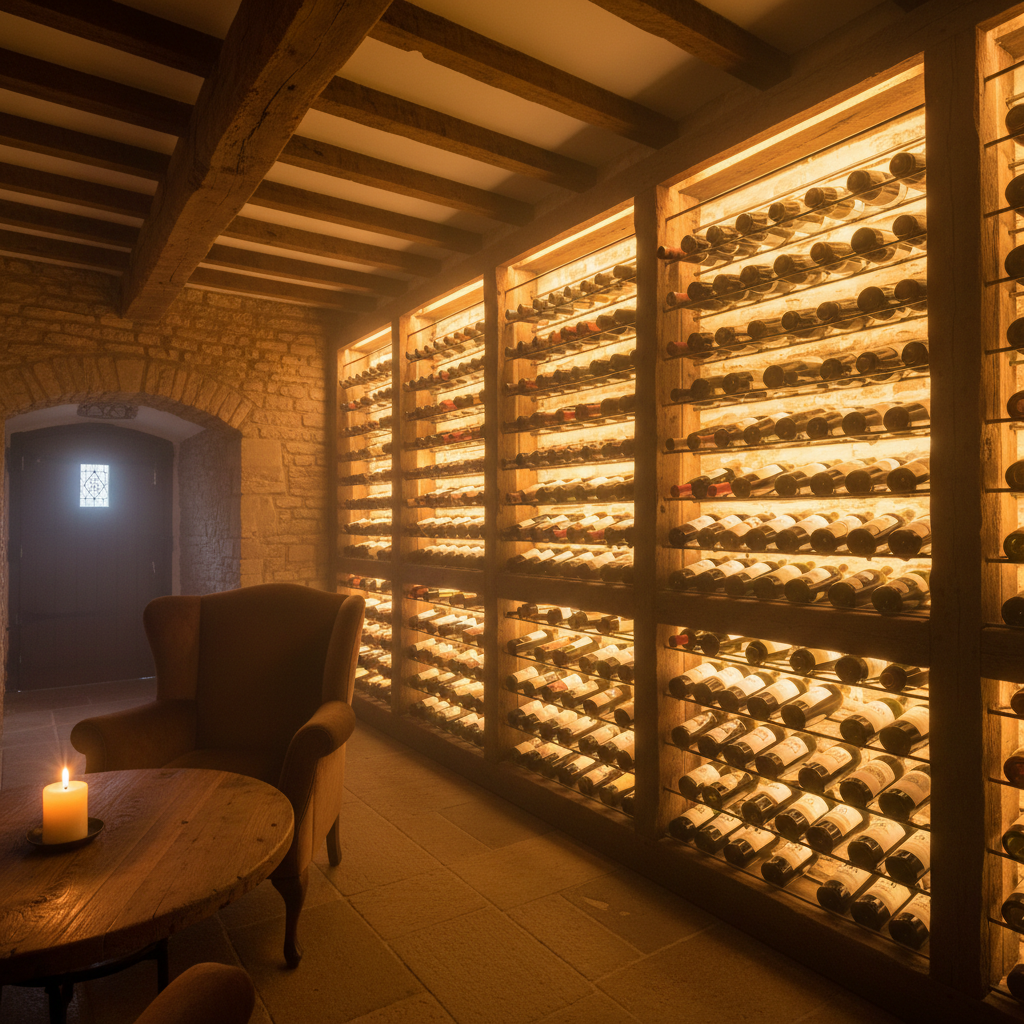
A 14-foot illuminated wine wall visible from every table in a 90-seat tasting-menu restaurant. Smoked glass panels slide on brass track hardware; the backlit racking uses a custom LED spectrum tuned to 2700K to flatter the labels without accelerating UV aging.
A Cellar's Anatomy —
Layer by Layer
What separates a wine cellar from a room with shelves is what you cannot see. Each layer performs a specific thermal or structural function.
Vapor Barrier
6-mil polyethylene sheeting sealed at all seams and penetrations, preventing moisture migration from the conditioned space into wall cavities.
Closed-Cell Insulation
3-inch closed-cell spray polyurethane foam achieving R-21 per wall. Zero vapor permeability means the cooling system works with the building, not against it.
Cooling Unit
A through-wall or split-system wine cellar cooler sized to the room volume, maintaining 55–58°F and 60–70% relative humidity year-round.
Thermal Framing
Pressure-treated lumber framing with 1½-inch thermal break between the cold room framing and the exterior wall structure, eliminating condensation bridges.
Custom Racking
Hand-mortised solid wood racking in white oak, walnut, or redwood. Individual bottle slots, diamond bins, and display rows sized to your collection.
Collectors, Restaurateurs,
and the Stories Behind the Bottles
We'd looked at three other contractors before Cellar. The difference was immediate — they asked about our drinking timeline, not just the square footage. The brownstone cellar they built holds 420 bottles and the temperature has never varied more than half a degree in two years.
The restaurant wall was the final piece of a three-year renovation. Cellar understood that the wine had to be visible from every table — it's not storage, it's theater. The smoked glass, the brass hardware, the 2700K backlight — every detail was deliberate.
Six thousand bottles carved into a California hillside. The passive humidity from the tuff stone means the CellarPro unit barely runs. What Cellar built isn't just functional — it's the most beautiful room on the property.
Your Collection
Deserves Better
A 45-minute consultation covers your space, your collection size, your storage goals, and the aesthetic language of your home. No commitment. No pressure. Just the conversation every serious collector should have before they run out of rack space.